

GRP's Low-Carbon Steel Transformation for Australia’s Greener Future

Where do you think your old iPhone, computer, or even car really go when it’s time to responsibly dispose of your scrap metal waste?
Well, it could end up in a shipping container, full of scrap metal being exported over to Asian countries, including Indonesia. As Australia exports 40-60% of our scrap metals, Indonesia, being Australia's closest neighbour, receives the majority of Australia's scrap metal waste, which is 17%. Gunung Raja Paksi (GRP), an Indonesian steel manufacturer based in Cikarang-West Java, utilises scrap metal waste to produce low-carbon steel using recycled materials and advanced technology.
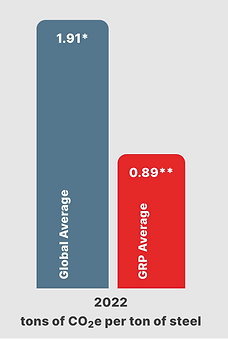
Thanks to GRP, Australians can support a circular economy where our scrap metal waste is transformed into low-carbon steel, which emits 47% less Co2 than regular steel production.
GRP, located in West Java, Indonesia, is on a mission to become the lowest carbon-emitting steel producer in the region. The EAF based steel producer is investing heavily in advanced, energy-efficient technologies to further reduce its carbon footprint, allowing GRP to lead the change in low-carbon steel production. This commitment to sustainability enables GRP to offer a greener, more responsible product for the construction industry.
The construction industry in Australia is responsible for producing 78 Million Tonnes of rubbish each year, which has led to the construction industry being a major contributor to Australia’s national carbon footprint. GRP's low-carbon steel is not just transforming the steel industry—it’s answering the call for sustainable construction across Australia.
The Power of Low-Carbon, Recycled Steel
At the heart of GRP’s innovative steel is its commitment to lowering carbon emissions without compromising quality or strength. This is done by firstly, utilising renewable energy and scrap metals:
-
Unlike traditional steel production, which relies on energy-intensive blast furnaces that use coal and emit tonnes of carbon dioxide into the Atmosphere. GRP employs Electric Arc Furnace (EAF) technology, which melts recycled metals using electricity. GRP also utilises renewable energy, specifically rooftop solar panels, to supplement its energy This approach significantly reduces the amount of carbon dioxide (CO2) released into the atmosphere. In terms of Greenhouse Gas (GHG) intensity, GRP’s GHG intensity stands at 47% of the global average, as reported by the World Steel Association.
-
Using scrap metals. GRP steel is manufactured using 70% recycled materials. By recycling existing materials and powering the process with electricity, GRP’s low-carbon steel minimises environmental harm while contributing to a circular economy, reducing waste and promoting environmental sustainability.

How GRP supports Australia's construction industry
Australia, with its deep connection to nature and the environment, has embraced the need for sustainable building materials. From residential projects to large-scale infrastructure, Australians increasingly expect the construction industry to adopt eco-friendly practices.
GRP’s low-carbon, recycled steel is an ideal solution for Australia’s growing sustainability goals.
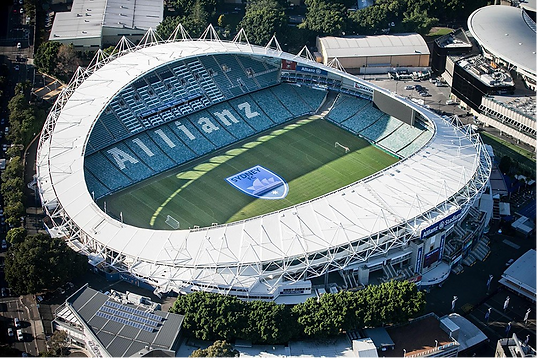
Take Allianz Stadium in Sydney, for example. This iconic structure was built using GRP’s low-carbon, recycled steel, proving that even large, complex projects can prioritise sustainability without sacrificing strength or durability. Knowing that a stadium—an enduring symbol of Australia’s sports culture—was constructed with a product designed to reduce environmental impact resonates deeply with the Australian audience.
As cities like Sydney, Melbourne, and Brisbane continue to expand, the need for greener building materials becomes even more critical. Australians understand that their future depends on the choices made today, and they want materials that help safeguard the environment while supporting growth. GRP’s low-carbon steel offers this balance: a product that meets stringent industry standards while reducing the environmental toll of construction.
Rising Demand for Sustainable Solutions
The demand for sustainable materials is rapidly growing across Australia. Builders, architects, and developers are under increasing pressure to adopt greener practices. With new regulations and a national focus on reducing carbon emissions, there is a clear and urgent need for materials that support these goals. GRP’s low-carbon steel meets this demand.
By using recycled metals and reducing reliance on raw materials like iron ore, GRP significantly cuts energy consumption and minimises environmental impact. This not only helps reduce emissions but also aligns with Australia's move toward a circular economy, and mission to divert 80% of waste from landfill by 2030.
Making Sustainability Relatable
For Australians, sustainability is not an abstract concept—it’s a way of life. From protecting the Great Barrier Reef to preserving the vast Outback, Australians have a deep understanding of the importance of safeguarding their natural environment. This is why GRP’s low-carbon steel is so relatable. It embodies the values that Australians hold dear: reducing waste, minimising environmental impact, and choosing products that align with a sustainable future.
Consider the homes being built in Australia today. Families want to know that their homes are not just safe and secure but also built with materials that won’t harm the planet. GRP’s low-carbon steel provides peace of mind. It’s strong enough to withstand the harsh Australian climate yet eco-friendly, making it a product that Australians can feel good about using.

Additionally, Australia’s younger generation is especially concerned with climate change and sustainability. As they enter the workforce, purchase homes, and participate in the economy, their demand for eco-friendly solutions will continue to shape markets. GRP’s low-carbon steel is perfectly positioned to meet the expectations of this environmentally conscious demographic, offering a product that aligns with their values and priorities.
Key Elements of Low-Carbon Steel Production
GRP’s low-carbon steel production is guided by several essential practices that minimise carbon emissions and promote sustainability:
-
Carbon Reduction or Neutrality: GRP uses Electric Arc Furnaces instead of traditional blast furnaces powered by coal and coke to melt recycled metals, drastically reducing carbon emissions while maintaining steel quality.
-
Hydrogen as a Reducing Agent: GRP is exploring green hydrogen-based processes that replace carbon in steel production through a feasibility study. By using green hydrogen, GRP can reduce CO2 emissions, producing water vapour as the only byproduct.
-
Recycling and Circular Economy: Incorporating more recycled steel scrap reduces the demand for raw materials like iron ore, saving energy and minimising environmental impact. This practice supports a circular economy, where waste is minimised, and resources are reused.
-
Technological Advancements: GRP invests in cutting-edge technology to make steel production more energy-efficient and eco-friendly. These innovations ensure that GRP’s low-carbon steel remains a high-quality, sustainable option.
-
Standards and Certification: GRP actively supports the development of low-carbon steel certification standards to ensure transparency and accountability in sustainability claims, giving customers confidence in the product’s eco-friendly attributes.. One of the ways GRP demonstrates data transparency is through its Environmental Product Declaration certification for the Australian markets.
A Product for Australia’s Sustainable Future
GRP’s low-carbon steel is more than just a material—it’s a symbol of what’s possible when innovation and sustainability come together. As the Australian construction industry continues to prioritise green practices, GRP’s steel offers a practical, affordable, and environmentally responsible solution. Whether it’s for a stadium in Sydney or a family home in Melbourne, GRP’s low-carbon steel is helping to build a future that Australians can be proud of.
GRP is the way of the future. GRP is an example of an organisation that upholds and delivers Corporate Social Responsibility, guided by 6 Sustainable Development Goals (SDGs).

By choosing GRP’s steel, builders and developers are not just meeting their project’s needs—they’re making a conscious choice to reduce environmental impact and contribute to a more sustainable world. As demand for eco-friendly building materials continues to rise, GRP’s low-carbon steel is at the forefront of this shift, offering a product that’s ready to meet the challenges of tomorrow.
In an era where sustainability is key, GRP’s low-carbon, recycled steel is building more than just structures—it’s building a greener future for Australia.
For more info, please see www.gunungrajapaksi.com and @gunungrajapaksi.tbk